How to Find a Reliable Manufacturer in India: A Step-by-Step Guide for Overseas Buyers
Where to look, how to verify credentials, what to ask and how to test samples before you place your first order with an Indian manufacturer.
 Sourcing · Shoppin Journal
Start with a clear brief, search the industry cluster for your product, and shortlist three to five suppliers. Verify their GST, IEC and company records, compare samples against your specification, audit the factory, then place a small trial order with inspection before shipment.
The story
India makes almost everything an overseas buyer might need, from handloom textiles and brassware to leather goods, furniture and engineered parts. Finding a supplier is easy. Finding one that delivers the right quality, on time, batch after batch, takes a structured approach.
This guide walks through how overseas buyers find, verify and test a manufacturer in India before committing to a full order, and the red flags that tell you to walk away.
Step 1: Write a clear sourcing brief
A precise brief saves weeks of back and forth and makes suppliers easier to compare. Before you contact anyone, write down:
- Product specifications: Materials, dimensions, finishes, colours and any acceptable alternatives.
- Quantity: Your first order size and expected repeat volumes, so suppliers can tell you their minimum order quantity (MOQ).
- Target price: A realistic price range per unit, including or excluding packaging.
- Standards and documents: Any certifications, testing or labelling your market requires.
- Destination and timeline: Where the goods are going, and when you need them.
Step 2: Search where the industry actually is
Indian manufacturing is organised in clusters, where a town or region specialises in one category and the best workshops sit close together. Moradabad is known for brass and metal handicrafts, Karur for home textiles, Tiruppur for knitwear and Jaipur for hand block printing. Start with the right cluster, then widen your search.
- Industry clusters: Look for the regions that specialise in your product.
- Trade fairs: Indian sector fairs let you meet many suppliers and handle their products in a few days.
- Export promotion councils: Sector councils publish member directories of registered exporters.
- B2B directories: Useful for a long list, but verify every listing independently.
- Referrals: Other buyers, freight forwarders and inspection agencies often know who performs well.
Step 3: Shortlist and verify credentials
Narrow your list to three to five suppliers and check that each one is a genuine, registered business before you share designs or send money.
- GST registration: Ask for the GSTIN and check it on India's GST portal.
- Import Export Code (IEC): Indian exporters need an IEC from the Directorate General of Foreign Trade.
- Company records: Registered companies can be looked up on the Ministry of Corporate Affairs website.
- Export history: Ask which countries they already ship to and for references from existing buyers.
- A real address: Confirm the factory location, not only an office or trading address.
Step 4: Ask the right questions
- Minimum order quantity: What is the smallest order they will accept for your specification?
- Lead time and capacity: How long does production take, and how much can they make each month?
- Payment terms: What advance is required, and when is the balance due?
- Sampling: What do samples cost, how long do they take, and is the cost adjusted against the first order?
- Packaging and documents: Will they handle export packaging and the shipping paperwork?
Step 5: Order and evaluate samples
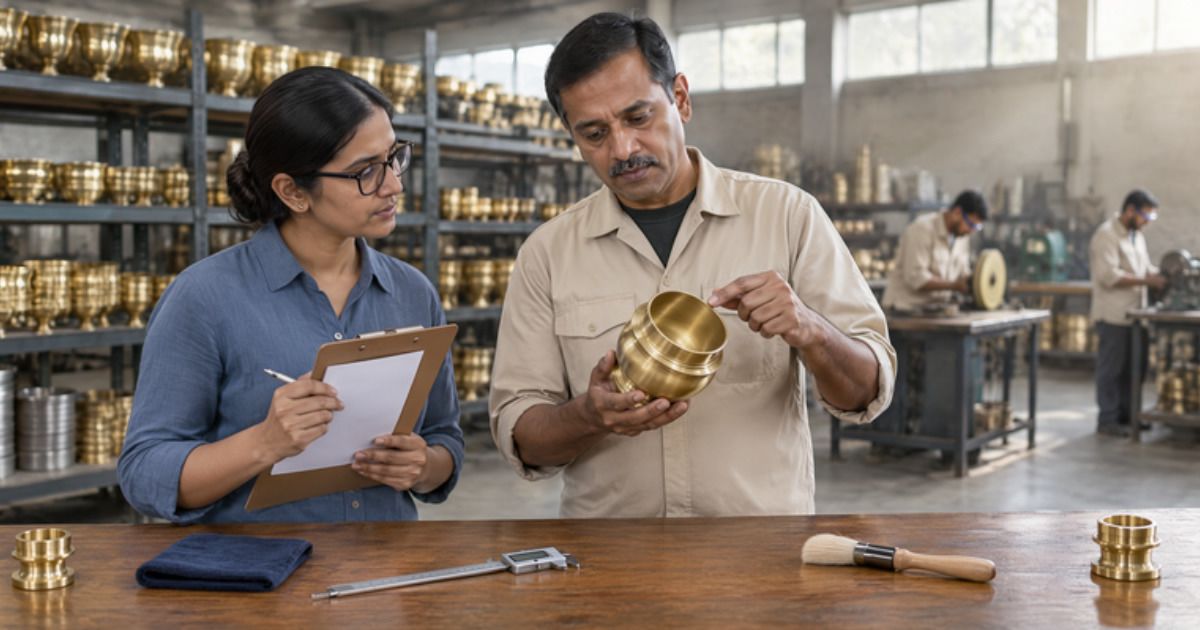
A sample is the best evidence of what a supplier can actually make. Order samples from your top two or three suppliers and judge them against your brief, not against each other.
- Measure everything: Check dimensions, weight and finish against your specification.
- Check the material: Confirm the fabric, metal or wood is what was quoted.
- Record it: Keep photos and videos of each sample for later comparison.
- Keep a golden sample: Approve one sample as the reference for production and quality checks.
Step 6: Visit or audit the factory
A factory visit shows what photos cannot. If you cannot travel, an on-ground agent can visit for you and report on video.
- Machinery and capacity: Is the equipment suited to your product and volumes?
- Work in progress: Are other orders being made to a consistent standard?
- Licences and compliance: Are the right registrations and safety measures in place?
- Working conditions: Many buyers and markets expect evidence of fair and safe working practices.
Step 7: Start small and inspect before shipment
Place a trial order before committing to large volumes. Agree the inspection points in advance, check production while it is under way, and inspect the finished goods against your golden sample before the balance is paid and the goods are shipped.
Red flags to watch for
- Refuses video calls or visits: A genuine manufacturer is usually happy to show the workshop.
- Prices far below the market: Very low quotes often mean lower-grade materials or a middleman.
- No GST or IEC details: Missing registrations are a serious warning sign for an export order.
- Pressure for full payment upfront: Be cautious of suppliers who will not accept staged payments.
- Samples that differ from photos: If the sample is not what was shown, production rarely will be.
How Shoppin helps
- Brief: We define the product, quantity, destination and requirements with you.
- Research: We identify and compare relevant manufacturers and artisans across India.
- Assess: We coordinate samples, factory visits, audits and quality checks, with photo and video reports.
- Plan: We confirm purchasing and the export logistics for your order.
Final thoughts
Reliable manufacturers in India are not hard to find when you look in the right cluster, verify credentials and let samples do the talking. Start with a clear brief, test before you scale, and keep someone on the ground who can see what you cannot from abroad.
Useful answers
Before you
move forward.
General guidance for planning a request. Product, courier, store, and destination rules can differ.
What does a sourcing agent in India do?
A sourcing agent finds and vets manufacturers, coordinates samples and factory visits, checks quality during and after production, and helps plan export packaging, documents and shipping.
How do I verify an Indian supplier?
Check the supplier's GSTIN on the GST portal, confirm their Import Export Code, look up company records with the Ministry of Corporate Affairs, ask for buyer references, and see the factory on a visit or video call.
Do I need to travel to India to find a manufacturer?
Not necessarily. An on-ground team can shortlist suppliers, collect samples, visit factories and inspect production for you, sharing photo and video reports so you can decide from abroad.
Continue reading
Related
stories.
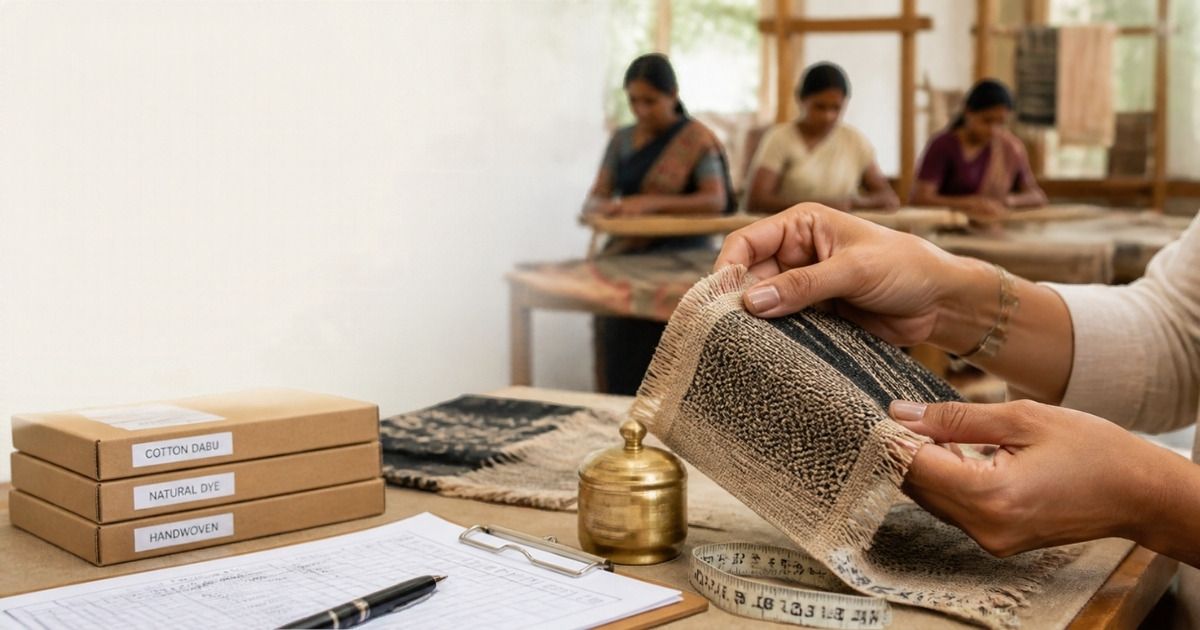
Sourcing small batches from India: a measured first step
How samples, supplier checks, written specifications, and small initial orders reduce avoidable risk.
Read story
The Vibrant World of Mangoes: Varieties, Flavors, and Export Insights from India
Alphonso, Banginapalli, Kesar and more, plus what it takes to get a delicate fruit from Indian orchards to shelves abroad.
Read story
Buying from Indian Websites That Don't Ship Internationally
Indian site won't deliver abroad? How to buy anyway, with an Indian address for your orders or a personal assistant who buys, checks and ships for you.
Read storyA person on the ground
Need help making
this happen?
Share the item, task, destination, and deadline. We will tell you what is practical.
Start a conversation